
By Olutayo Irantiola
“If it’s not Panadol, it can’t be the same as Panadol.”
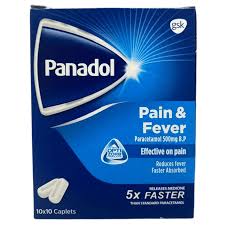
This iconic phrase was one of the most popular brand slogans during my formative years. Originating from GlaxoSmithKline (GSK)’s marketing campaign for Panadol, a paracetamol-based pain relief medication, the slogan has since transcended its commercial intent to become a cultural idiom in Nigeria and across West Africa.
The message was simple yet powerful: while there may be many alternatives on the shelves, Panadol stands apart. This line not only resonated with the audience but also captured how effective branding can embed a product into public consciousness, making it a household name.
When Brands Become Verbs and Nouns
In marketing, we refer to this phenomenon as a generic trademark or proprietary eponym—when a brand name becomes so dominant that it’s used to describe an entire category of products, regardless of the manufacturer. Examples globally include “Google” for internet search, “Xerox” for photocopying, and in Nigeria, “Indomie” for noodles, “Omo” for detergent, and of course, “Panadol” for pain relief.
A Personal Encounter with Brand Confusion
Recently, I had a real-life reminder of how this plays out. While staying at a hotel in Abuja, I asked a staff member to get me “Vaseline” from the tuck shop. He returned with a different brand entirely. When I pointed out the difference, he insisted it was Vaseline. But to him—and many others—“Vaseline” simply means petroleum jelly, no matter the manufacturer.
So, what can we learn from this?
1. Context Matters in Marketing
Global and even national brands must realize there is no one-size-fits-all strategy, especially in a culturally diverse country like Nigeria. What resonates with consumers in the South might not hold the same power in the North. Marketing efforts must be localized, inclusive, and adaptable to regional nuances.
2. Aggressive and Consistent Advertising Pays
Panadol’s dominance wasn’t accidental. It was built through memorable jingles, consistent messaging, and relatable storytelling that etched the brand into memory. To remain top-of-mind, brands must stay visible, emotionally engaging, and culturally relevant.
3. Market Dominance Doesn’t Equal Longevity
While being synonymous with a category is a marketing dream, it can also become a trap. Once your name becomes generic, competitors benefit from your reputation—sometimes without delivering the same value. If your market share isn’t reinforced by innovation and loyalty, your brand could fade even as its name remains popular.
4. Perceived Efficacy is Your Superpower
Your brand may become a trusted choice because it worked—and people believed it worked better than alternatives. This trust was built through consistent product performance. For any brand, perceived efficacy is a powerful differentiator, but it must be backed by reliable experience.
5. Culture is the Ultimate Brand Platform
That Panadol’s slogan has become a widely-used colloquial expression shows just how deeply a product can integrate into language and culture. When a brand transcends utility and becomes a symbol, it’s a sign of true brand equity—but also a call to evolve. Complacency is the enemy of legacy.
The phrase “If it’s not Panadol, it can’t be the same as Panadol” is a masterclass in branding, but also a warning. When your brand becomes the category, you’ve won the awareness battle—but the revenue war is far from over.
A generic trademark should not be synonymous with poor revenue. Brand owners must be intentional about protecting their trademark, reinforcing quality, and continually innovating to stay ahead in a competitive landscape.
Don’t just become the name people say—stay the product they choose.
Leave a Reply