
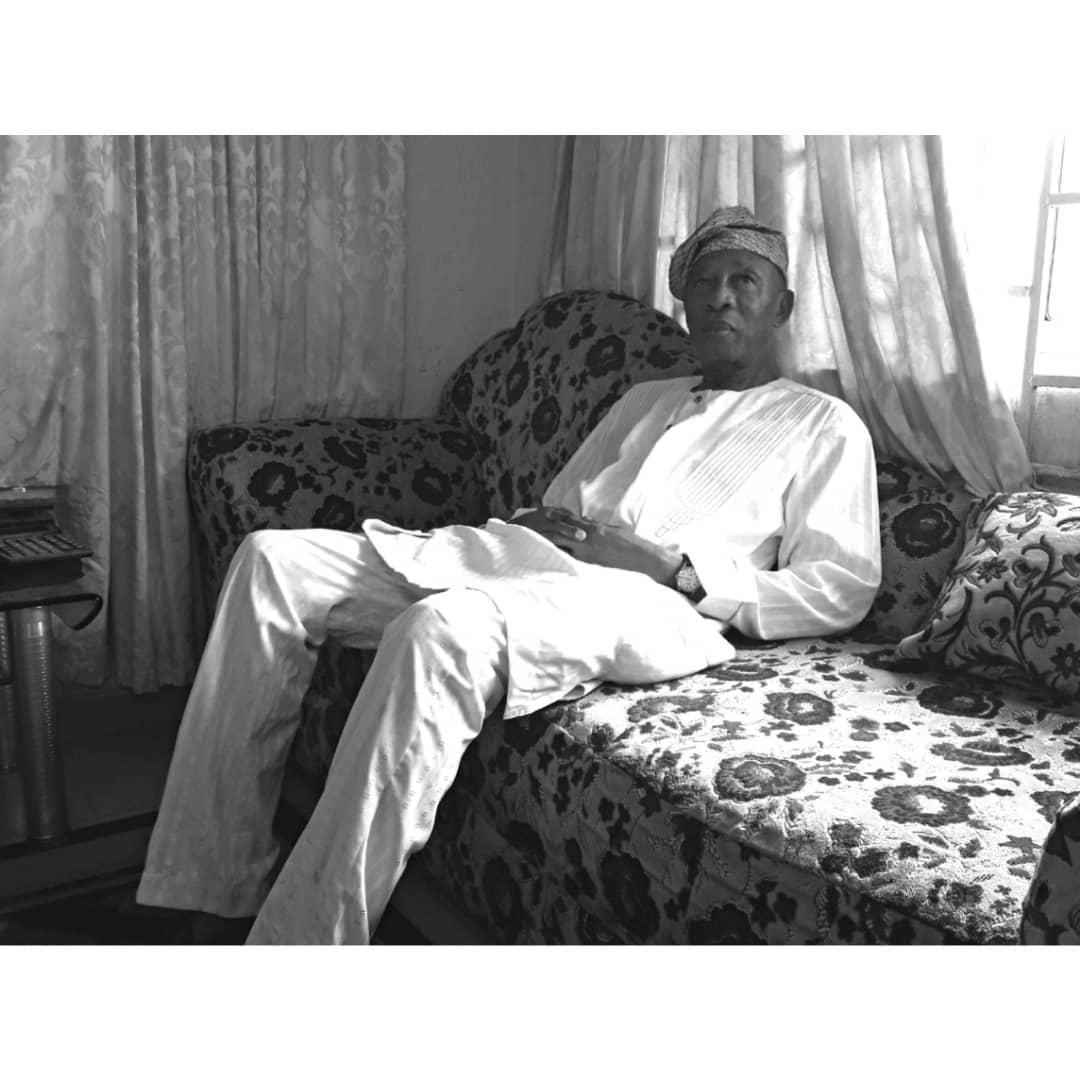
The journey of life might not be as smooth as desired, but the intrinsic value of life always shines when one contributes their meaningful share to humanity. The late Pa Paul Olayiwola Ajao is one of the unsung heroes in the evolution of the Nigerian documentaries and film-making community. His life cannot be forgotten, especially by those with whom he came into contact during his earthly sojourn in corporate and social Nigeria. He was an exemplary gentleman whose worth cannot be measured by his face, but he was indeed a great man.
Pa Ajao, born in the ancient town of Ogbomoso in 1942, had his fair share of the nomadic lifestyle of his generation. He began his academic pursuit at the native authority in Iseyin, a pastoral town in Oyo State, from which he proceeded to the Ibadan City Academy, Ibadan, in the same state, before joining the Federal Ministry of Information & Culture. Thereafter, he studied at the renowned Overseas Film and Television Centre in London, United Kingdom.
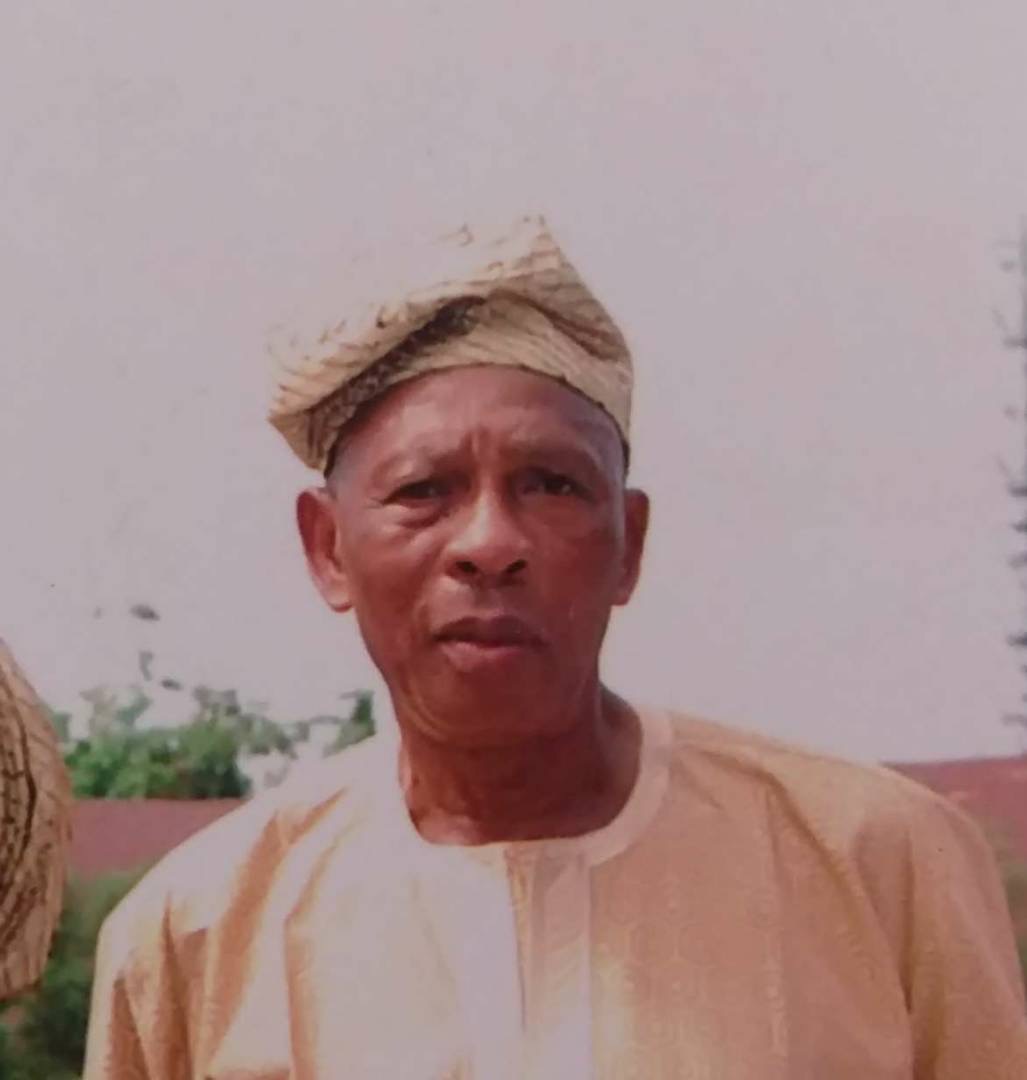
The fair and handsome young Paul started out as a Clerk and Studio Assistant in the Federal Film Unit, then steadily rose through the ranks to become the Chief Film Editor at the Nigerian Film Corporation, Jos, Plateau State, Nigeria. He was a dutiful employee of the Federal Government of Nigeria across the different touch points, both in Lagos and Plateau States.
The onus of parenting fell on the soft-spoken Paul early in life. As testified by his siblings, he took up the fatherly responsibility when his father, Fredrick Ladipo Ajao, passed on. This, in fact, made him marry late. Stories were told about his generosity to his siblings; he shared his earnings with them, and he would gladly manage himself throughout the month.
When he eventually got married to his beloved wife, Mrs Abiola Ajao, it was recounted that he gave up many luxuries enjoyed by his contemporaries so that the family could have the necessities which helped him in raising three successful boys, who are now professionals in their own right, despite the demands of his job.
One of the friends of the humorous six-foot-tall Ajao retold a tale in which they had nicknames based on the meal they loved best- one was Alhaji Fufu, while the late Ajao was being called Alhaji Moin-moin. They were always referring to one another, as such, till he passed on. There were many encomiums showered on Olayiwola Ajao when he passed away, because he was loyal to all his kith and kin.
Having worked assiduously on writing Nigerian stories through documentaries and film, it is rather unfortunate that many of the works he produced during his active years in the civil service were not preserved for posterity. This is the bane of the distorted stories in Nigeria. Having edited more than 50 documentaries and feature films, his works should not have gone down the drain in the annals of filmmaking within Nigeria.

Findings revealed that the late Ajao edited feature films, including Aiye by Herbert Ogunde, the father of filmmaking in Nigeria; Kulba Na Barna (Hausa) by Brendan Shehu; Omiran (Yoruba); and The Great Attempt. Other documentary films of national importance that he worked on were The Making of a Policeman, Labour Create Wealth, 100 Years of Civilisation in Egbaland, and This is Nigeria. The list of documentaries includes Statute in Nigeria, National Agricultural Land Development Agency, FESTAC 77, Nigeria at a Glance, Come Sun, Come Rain, Transition to democracy, and Welcome to Nigeria, to mention a few.
In an attempt to review his works, it was discovered that many of those previously on celluloid had not been converted to other formats. However, he did not have the opportunity to keep these records because they were the proverbial horn of the King, which no one would be courageous enough to blow. These great works have been thrashed. The rhetorical question begging for an answer is, “How can we trash our history?” Until we reach the point of valuing our national archival materials, like these, we will not be able to accurately project into the future.
This great man and many other dedicated nationals might not have been celebrated in the annals of documentary and filmmaking in Nigeria, but they did their very best to create historical materials that, even from their titles, are topical and of national importance. Nigeria needs to evolve to the point of archiving works in various formats to educate, entertain, and benchmark our progress in all spheres of human endeavour over the years.
Olutayo Irantiola is a PR Specialist, Atọ́kùn, Yorùbá Lákọ̀tun, Creative Writer, Reviewer, Translator and Cultural Advocate.
Leave a Reply