
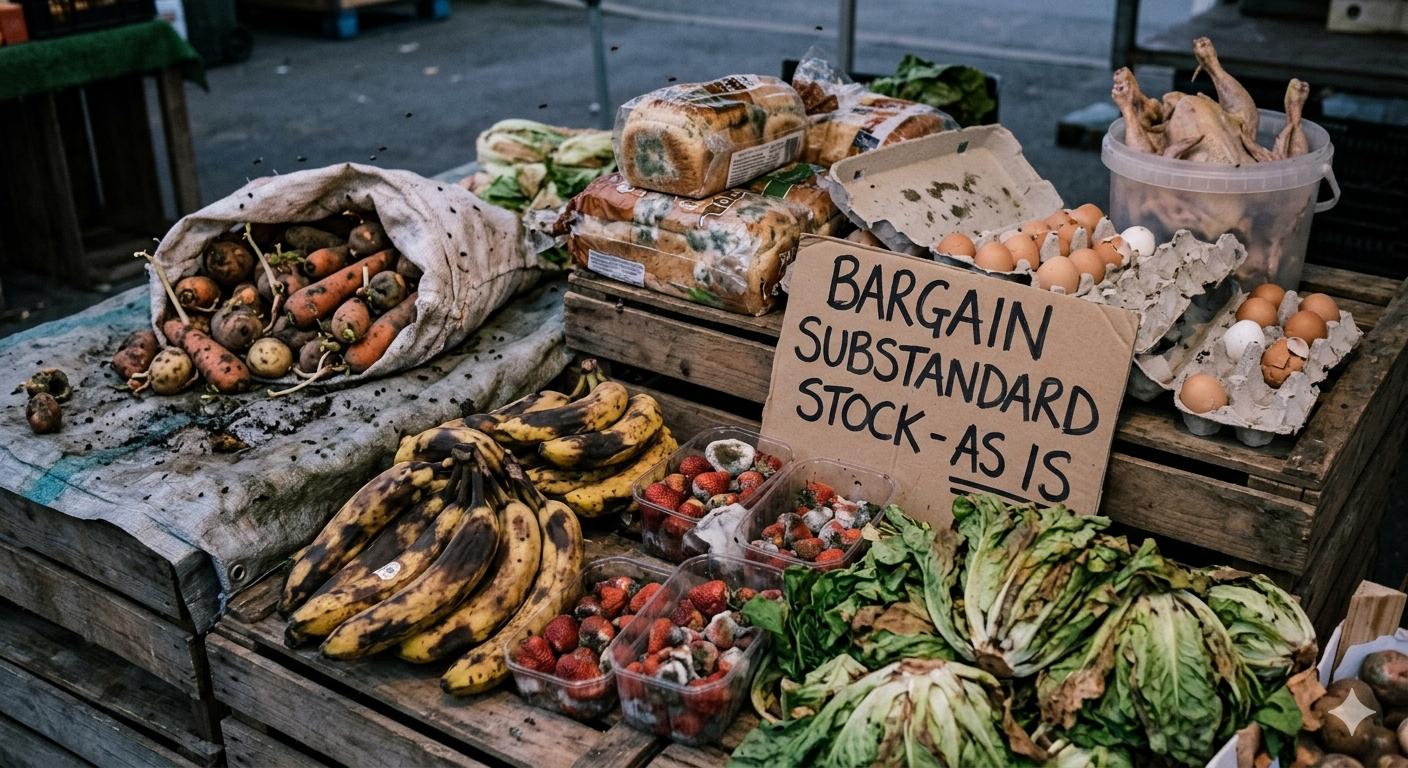
Nigeria is a great country with a wide range of consumer goods across the manufacturing industry. Some products are produced on our shores, while others are imported from across the globe by both renowned international and national brands. Not too long ago, there were many revelations about the quality of products available to Nigerian consumers, both within and outside the country.
I heard a story some years ago about the export of alcoholic beverages from Nigeria to other parts of the world because it was believed that Nigerian beers were of better quality than those brewed elsewhere. It sounded nice that a finished product is being exported, in addition to the traditional export of raw materials.
However, recent reports of Made-in-Nigeria edible products being discredited in Europe are alarming and disturbing. Some certified consumables by the National Food and Drug Administration and Control (NAFDAC) have brought untold ridicule to the country. This raises questions about the integrity of the products, the manufacturing companies, and the government agencies.
Possibly, many companies pay their way through these government agencies while they keep expanding their production capacity in the country. The unwholesome practices that abound in the country make it difficult to distinguish between original products and counterfeits.
Unfortunately, Nigeria is accustomed to damage control; the media mostly engages to enlighten, educate, and reawaken consumers’ interest in the product and the brand. This usually happens after information about the hazards of consuming these products goes viral. It is pertinent to note that some of the chemical substances used in the manufacture of these items can have adverse effects on human anatomy over time. It also causes economic misfortune and untimely death for many Nigerians. Nigerians should not be made to suffer for the profit of companies.
Aside from manufactured products, there are challenges with food production too. According to the BusinessDay newspaper of June 7, 2017, the European Union rejected 24 food products for failing to meet the required standards. Major products rejected include groundnut, palm oil, sesame seed, and beans. Groundnut was rejected because it contained aflatocin, while palm oil contained a carcinogenic colouring agent. This is a result of the excessive use of chemicals on these crops, which, in turn, is dangerous to human health. BusinessDay summed it up by saying that many foods and finished products of Nigerian origin are rejected in other continents due to poor adherence to standards.
In another vein, poisonous substances are being imported from other countries of the world for different reasons. According to a comment in the BusinessDay newspaper, Nigeria is a major importer of rice from Asia. Due to the rapid industrialisation in that region, the proximity of agricultural, smelting and mining activities to planting regions is postulated to contribute massively to the contamination of this rice. The United States Food and Drug Administration warns that long-term exposure to high levels of Arsenic may predispose humans to skin, bladder and lung cancers, as well as heart disease. Other adverse health effects include kidney damage, bone defects, hypertension and cancer have been attributed to lead, cadmium and mercury toxicity.
We have got to a stage where we import and export deadly consumables. This will also impact our economy negatively because many Nigerians in the Diaspora might be denied access to their ‘delicacies’, which are believed to be nutritious. There is a need for all sectors of the economy to wake up to their responsibilities to change the negative perception that has befallen the country. Government agencies like NAFDAC, Standard Organisation of Nigeria, SON, Ministry of Agriculture and Ministry of Health must come together to create a holistic team for effective quality control across the board. Also, civil society organisations, Agricultural Extension officers, and the media must not relent in their efforts to sensitise Nigerians about farm management practices, farm produce, and other products available to them. This is one of the surest ways to increase the country’s overall life expectancy.
Irantiola, a PR Specialist and a Journalist, wrote in from Lagos, Nigeria
Leave a Reply